How to Style Seasonal Home Decor With Heart

A home does not need a complete makeover to feel ready for a new season. Often, it is the small, feeling-filled details - a soft floral stem by the sink, a warm candle on the coffee table, a cheerful pillow on an entry bench - that make everyday spaces feel newly cared for. Learning how to style seasonal home decor is less about buying everything in a matching theme and more about creating little moments of welcome throughout your home.
The most memorable seasonal spaces feel collected, not crowded. They carry the mood of the season while still leaving room for your own story, favorite colors, and the pieces that make home feel like home.
Begin With the Feeling You Want to Create
Before choosing a single accent, consider how you want the season to feel when you walk through the door. Spring may call for freshness and gentle color. Summer can feel sun-washed, relaxed, and a little playful. Autumn often invites warmth, texture, and gathering. Winter may bring in soft light, evergreen notes, and extra coziness.
This first decision makes decorating much easier. Instead of searching for every item labeled with a season, you can choose pieces that support a particular mood. A home styled for a calm autumn afternoon might include amber glass, muted rust, dried florals, and a woven throw. A home styled for a bright spring morning might lean toward bud vases, pale greens, floral details, and airy linens.
There is no rule that says fall must be orange or winter must be red and green. If your home is full of soft neutrals, seasonal touches in cream, olive, brass, dusty rose, or deep brown can feel far more natural than a color palette that fights with the rest of your space.
Build Seasonal Decor Around What You Already Love
The easiest way to keep seasonal decorating personal is to start with the pieces that stay out all year. Your favorite vase, wood tray, framed photo, ceramic bowl, books, and serving board provide a familiar foundation. Then, layer in a few seasonal details rather than replacing everything at once.
Think of your everyday decor as the setting and seasonal pieces as the changing chapter. A neutral mantel can shift from spring to summer with a fresh floral arrangement and a small bowl of citrus-toned accents. The same mantel can become autumn-ready with taper candles, dried stems, and a textured garland. You are not starting over. You are simply changing the atmosphere.
This approach is also kinder to your budget and storage space. A handful of versatile, well-loved accents can be styled in more than one way, which makes them more meaningful than a bin full of decorations used for a few weeks each year.
Choose a Small Seasonal Color Story
A focused color story creates calm, even when your home is full of personality. Choose two or three seasonal shades to repeat gently across a room. You might pair sage, cream, and soft yellow for spring, or burgundy, camel, and antique gold for the holiday season.
Repetition is what makes a space feel intentional. A deep green candle, a green-toned floral stem, and a small green ribbon on a gift basket can quietly tie a room together without making it feel overly coordinated.
If you love a brighter seasonal color but do not want it to take over, use it in smaller doses. A vivid pink in a spring bouquet or a cheerful red accent in December has more impact when it is surrounded by quieter tones.
How to Style Seasonal Home Decor in Layers
Layering is the difference between placing an object on a surface and creating a scene that feels warm and inviting. The goal is not to fill every open area. It is to combine height, texture, and a little breathing room.
Start with one anchor piece, such as a tray on a coffee table, a runner on a dining table, or a wreath above a console. Add one taller element, like a vase of branches or candlesticks, followed by a lower piece such as a small bowl, candle, or decorative object. Finish with something soft or personal, perhaps a linen napkin, a meaningful keepsake, or a framed seasonal note.
Varying heights keeps the arrangement from looking flat. Mixing materials adds warmth, too. Glass beside woven fibers, ceramic near wood, and metal paired with dried botanicals offer a collected look that feels more like a home than a display shelf.
Just as important: leave some empty space. A crowded tabletop can make even beautiful decor feel busy. Let your favorite pieces have room to be noticed.
Let Florals and Greenery Do the Gentle Work
Florals are one of the loveliest ways to mark a changing season because they add color, shape, and a sense of life all at once. They do not need to be large or elaborate. A few stems in a bud vase can brighten a powder room, kitchen shelf, bedside table, or desk.
For spring, try delicate blooms and fresh greenery. Summer calls for fuller, more relaxed arrangements with sunlit color. In fall, dried grasses, eucalyptus, berries, and richer florals add lovely texture. During winter, evergreen clippings, pinecones, berries, and branches bring the outdoors in while still feeling polished.
Faux stems can be especially helpful in spots where fresh flowers are not practical. Choose ones with realistic variation in color and shape, then keep the arrangement loose. A stem that bends naturally will almost always feel more convincing than one that stands perfectly straight.
Focus on the Spaces That Welcome People In
You do not need to style every room to create a seasonal home. Concentrate on the places you and your guests naturally notice: the entryway, coffee table, dining table, kitchen counter, and guest bathroom. These small touchpoints create a feeling of care without turning decorating into a weekend-long project.
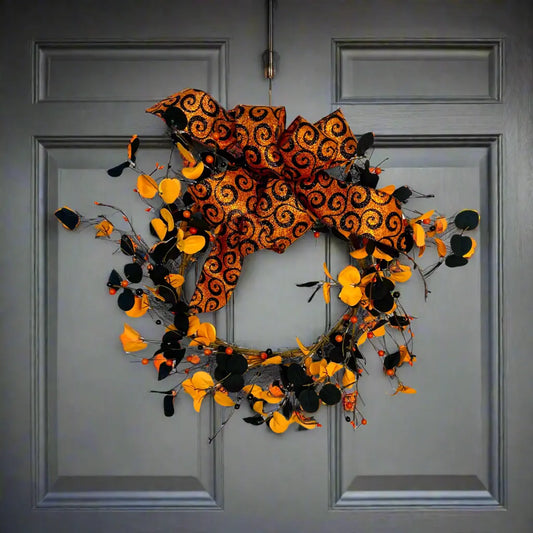
An entryway might need only a seasonal wreath, a small vase, and a candle or catchall dish. On the dining table, a runner with a simple centerpiece can set the tone for family meals, quiet mornings, and impromptu celebrations. In the guest bathroom, a pretty hand towel, a seasonal soap, and a petite floral arrangement can make visitors feel especially thought of.
These are also beautiful places to display gifts you have received or plan to give. A thoughtfully packaged host gift, artisan candle, or small decorative keepsake can become part of the home before it is shared with someone else. Thoughtful presentation has a way of extending the joy of the gesture.
Bring the Season Into Everyday Rituals
Seasonal decor feels most meaningful when it supports the life happening around it. A cozy throw belongs where someone will actually curl up with it. A set of mugs looks best near the coffee station. A beautiful tray can hold the little things that gather near the front door every day.
Consider the rituals that make each season special in your household. Maybe spring means opening the windows and arranging fresh stems. Maybe autumn means setting out a favorite candle before an evening at home. Maybe the holiday season begins when you place a bowl of ornaments on the table and write a few heartfelt gift notes.
When decor is connected to a ritual, it becomes more than decoration. It becomes a gentle cue to slow down, gather close, or celebrate an ordinary Tuesday with a little more beauty.
Edit Before You Add More
If a room is starting to feel busy, do not assume it needs another accent to make it work. Often, it needs editing. Remove one or two smaller items, step back, and notice what remains. The pieces that still feel special are the ones worth keeping in the arrangement.
It also helps to create visual pauses between seasonal moments. If the mantel has a full display, let the nearby coffee table stay simple. If your dining table is dressed for a celebration, keep the kitchen counters relatively clear. This balance lets each area feel considered rather than competing for attention.
Seasonal decorating does not have to be perfect, expensive, or finished all at once. Let it grow as the season unfolds. Add a bloom that catches your eye, light a candle before friends arrive, or place a meaningful little gift where it will make someone smile. The loveliest homes are not styled to impress from a distance. They are styled to help the people inside feel welcomed, celebrated, and cared for.