12 Best Gifts for Grieving Friends That Feel Caring

When someone you love is grieving, even a simple question like “What can I send?” can feel impossibly heavy. You want your friend to feel held, not overwhelmed. The best gifts for grieving friends are not meant to fix a loss or fill the silence. They are gentle reminders that they do not have to carry it alone.
The most meaningful choice is often something that brings comfort in the present, makes one small task easier, or gives them a quiet way to remember the person they miss. A beautiful package can say, “I am thinking of you,” when the right words will not come.
What makes a sympathy gift feel truly thoughtful
Grief is personal, and there is no single gift that suits every loss. A friend mourning a parent may welcome a sentimental keepsake, while a new parent grieving a pregnancy may prefer a private gesture without questions or expectations. Consider your relationship, their personality, and what their days may look like right now.
A thoughtful gift is usually simple, useful, and free of pressure. It should not ask your friend to perform gratitude, make a decision, or immediately feel better. Soft comfort, nourishment, a small remembrance, and practical support all tend to land more gently than anything overly cheerful or grand.
Timing matters, too. Sending something immediately can be a tender way to show up. Sending something several weeks later can be just as meaningful, when the calls, flowers, and meals have slowed down but the grief remains. Birthdays, anniversaries, holidays, and the first changing season without someone can be especially tender moments to reach out.
12 best gifts for grieving friends
1. A comforting gift box
A thoughtfully assembled gift box offers care without requiring your friend to choose what they need. Look for a calming mix of items such as tea, a softly scented candle, cozy socks, chocolate, a journal, or a small keepsake. The combination feels like a quiet invitation to pause and take care of themselves.
Presentation matters here. A gift that arrives beautifully wrapped feels intentional from the moment it is opened. At Thimbleberry House, curated gifting is rooted in this very idea: you are not only sending lovely items, you are sending a feeling of warmth and remembrance.
2. A meal, grocery delivery, or restaurant gift card
Grief can make everyday routines feel exhausting. A gift card for a favorite local restaurant, grocery delivery, or a meal service offers practical relief at a time when planning dinner may feel like too much.
This is especially thoughtful for a friend managing children, visitors, travel arrangements, or a demanding work schedule. Keep the note uncomplicated: “I hope this makes one evening a little easier. No need to reply.”
3. A soft throw blanket or cozy wrap
Comfort is not frivolous during grief. A beautiful throw in a soothing neutral, a soft robe, or a lightweight wrap creates a little physical ease during long nights, early mornings, and quiet moments on the couch.
Choose something with a timeless look rather than a slogan or an overt sympathy message. That way, it can become part of their home long after the hardest days have passed.
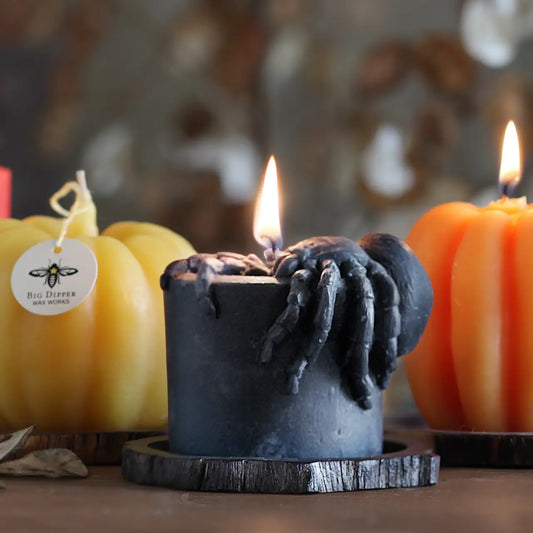
4. A candle for quiet evenings
A candle can be a lovely gift when chosen with sensitivity. Gentle scents such as lavender, vanilla, linen, or subtle florals can make a home feel softer without overwhelming the senses. Some people find comfort in lighting a candle during a prayer, a memory, or a few peaceful minutes at the end of the day.
If your friend is sensitive to fragrance, opt for an unscented candle or pair it with a simple candle holder. The goal is comfort, not a dramatic statement.
5. A personalized remembrance keepsake
For a close friend, a keepsake can honor a loved one in a lasting way. Consider an initial necklace, a birth-flower piece, a framed photo, a small ornament, or a handwritten recipe displayed in a meaningful way.
Personalized gifts carry more emotional weight, so they are best when you are confident in the details and know your friend would appreciate something sentimental. If the loss is very recent, it may be kinder to wait until the initial shock has eased before sending a deeply personal item.
6. A journal with a heartfelt note
A journal gives someone a private place to put the feelings that may be difficult to say aloud. It can hold memories, letters, prayers, lists, anger, gratitude, or nothing at all for a while. Choose one that feels beautiful and uncomplicated, with pages that invite use rather than pressure.
Your note can be the most important part. Avoid trying to explain grief away. A few honest words are enough: “I love you. I am here. I will remember them with you.”
7. A memory box
A memory box offers a home for the small things people often want to keep: sympathy cards, photographs, ticket stubs, a handwritten note, jewelry, or other treasures. A well-made wooden or fabric box feels both practical and personal.
This gift is particularly fitting after the loss of a parent, spouse, sibling, or lifelong friend. It respects the reality that memories need space, not closure on someone else’s timeline.
8. A living plant or easy-care greenery
Traditional sympathy flowers are beautiful, but a living plant can continue offering quiet comfort after the arrangements have faded. Choose something easy to care for, such as a pothos, snake plant, or small peace lily, especially if your friend does not have much energy for plant care.
There is a trade-off to consider. Plants are not ideal for every home, particularly where pets, allergies, travel, or limited light are concerns. In that case, a dried floral arrangement or a lovely vase may be a more lasting choice.
9. A self-care gift with no expectations
A self-care gift can be soothing when it is framed gently. Think bath salts, a sleep mask, hand cream, herbal tea, lip balm, or a comforting mug. These are small, everyday touches that can make a difficult day feel a little less harsh.
Avoid language that suggests your friend should “heal,” “reset,” or turn grief into a wellness project. Care is not a task to complete. It is simply a reminder that they deserve tenderness.
10. A donation or meaningful act in their loved one’s honor
If you know a cause that mattered to the person who died, a donation can be a beautiful tribute. You might also plant a tree, contribute to a memorial fund, or support an organization that reflects their passions.
Be specific in your card so your friend understands the intention. This kind of gift is often best for someone who values purpose and prefers meaningful action over physical items.
11. Help with a real-life task
Sometimes the kindest gift is not a package at all. Offer to walk the dog, pick up the kids, bring over groceries, make phone calls, return library books, or sit with them while they sort through paperwork.
Try to offer something concrete rather than saying, “Let me know if you need anything.” Grieving people often do not know what to ask for. “I can bring dinner Tuesday or Thursday. Which is easier?” gives them a simple choice and makes your support feel real.
12. Your continued presence
The gift that matters most may be the one that arrives later. Mark a reminder on your calendar to check in after the funeral, after the first month, and around meaningful dates. Send a card, a favorite snack, or a message that uses the loved one’s name.
Many grieving people fear that others will stop mentioning the person they lost. A simple, “I was thinking about your dad today and remembering how he always made everyone laugh,” can be a precious gift in itself.
What to avoid when choosing gifts for grieving friends
Skip anything that asks grief to be tidy, inspiring, or brief. Gifts with messages about “moving on,” “everything happens for a reason,” or silver linings can feel painful, even when the intention is loving. Humor can also be risky unless you know your friend well and are certain it would bring comfort.
Be cautious with overly elaborate memorial items right away. Some people treasure them, while others need time before they can look at photographs or names. When in doubt, choose a comforting, useful gift now and save a more personalized remembrance for later.
Let the note carry the care
A beautiful gift becomes more meaningful with a note that sounds like you. You do not need perfect language. Say that you are sorry. Say that you are thinking of them. Share one memory if it feels appropriate, and let them know there is no need to respond.
The kindest gifts leave room for every emotion. Send something gentle, follow up when the world gets quieter, and let your friend know that their loved one has not been forgotten.